
Is Drinking Alcohol Really That Bad for You?
Physical Health

In a word … yes! Alcohol consumption is bad for you—perhaps even worse than you think.
There was a time when having a drink or two of alcohol per day was considered healthful. However, science has long ago refuted that mistaken belief. Some wines and beers may contain some beneficial antioxidants, but these are better obtained from other sources, such as fruits and vegetables. On balance, the risks and harms of alcohol have led the World Health Organization to declare: “No level of alcohol consumption is safe for our health.”
In this article, we’ll explore our current state of knowledge of the potential harms of alcohol use. Everything discussed is founded in high-quality research evidence; there is no speculation.
Alcohol as a Carcinogen
We have overwhelming scientific evidence that alcohol is a carcinogen (cancer-causing toxin). For this reason, the International Agency for Research on Cancer (IARC) has classified alcohol as a Group 1 carcinogen, which means it is in the highest category of cancer-causing chemicals. This puts alcohol in the same class as tobacco smoke, asbestos, formaldehyde, and coal tar.
Alcohol use has been linked to at least nine types of cancer: mouth, throat (pharynx, larynx), esophagus, liver, colon/rectum, breast, stomach, and pancreas. The more alcohol consumed, the greater the risk. In the United States (U.S.), 5.4% of cancers have been attributed to alcohol use.
How does alcohol cause cancer? The body breaks down alcohol into a chemical (acetaldehyde) that damages DNA, leading to cell mutations that develop into cancerous tumors. To make matters worse, alcohol acts as a solvent in our mouth that absorbs other carcinogens into our body, such as environmental pollutants. There are other mechanisms by which alcohol causes cancer, including by increasing hormonal levels that may lead to breast cancer, and increasing tumor growth-promoting inflammation.
According to a 2025 Surgeon General’s Advisory, of 100 women who have 1 drink a day, 19 will develop an alcohol-related cancer, and that climbs to 22 among women who have 2 drinks a day. Even 17 of 100 women who have 1 drink or less per week will develop an alcohol-related cancer.
The antioxidant resveratrol, found in many red wines, is thought to reduce cancer risk. However, studies have not found any association between drinking red wine and reduced cancer risk.
Addiction Potential
Data from the U.S. National Survey on Drug Use and Health (NSDUH), which is a huge data collection project conducted annually across all 50 states, show that about 7.6% of women and 11.8% of men develop alcoholism in their lifetime. Given the degree to which alcohol addiction destroys families and robs people of their health, assets, and ability to function, these numbers are deeply concerning.
The male/female gap is narrowing. Excessive alcohol use among women—especially women with children under 5—has been skyrocketing, with increases of 323% seen during the pandemic, and continuing since. Women in their 30s and 40s have also been reporting increases in heavy drinking and binge drinking.
Alcohol addiction has been defined as a brain disease by the U.S. National Institutes of Health because it develops in response to physical changes in how the brain is wired and how it works after repeated exposure to alcohol. How much alcohol someone must consume and for how long to develop the brain changes that constitute addiction depends on their genetics, their health, their personal characteristics, and their life situation.
Alcohol Use and Death Risk
There is a well-established association between alcohol use and death. This is for many reasons, such as:
- Injuries from motor vehicle accidents, violence, falls, and other acute injuries
- Suicide and self-harm
- Cancer
- Other alcohol-related diseases

Even low-level consumption has been linked to mortality. Alcohol-related deaths have increased by 29% in recent years.
Alcohol Use and Overall Health
Besides cancer, alcohol use has been tied to more than 200 diseases. Illnesses of many different types can arise from alcohol use, such as:
- Cardiovascular disease—high blood pressure, heart failure, and arrhythmias (abnormal heart rhythms) have all been linked to alcohol use.
- Liver disease—the liver is at risk for disease because of its role in detoxifying the body from alcohol.
- Brain disease—alcohol use has been associated with increased risk of cognitive impairment (such as dementia) and stroke.
- Digestive issues—inflammation of the stomach and pancreas, and acid reflux, are associated with alcohol use.
- Immune system impairment—alcohol weakens our immune function, making us more susceptible to getting sick and staying sick longer.
Alcohol and Mental Health
Besides addiction, alcohol can have serious effects on our mental health. There is a strong two-way relationship between alcohol use and mental health struggles. Alcohol use can worsen mental health, and people with mental health issues may turn to alcohol to “self-medicate” painful feelings and emotions.
Alcohol affects our mental health by altering our brain chemistry. It causes unnatural and abnormal fluctuations in the fine-tuned balance of the brain’s neurotransmitters, which are the chemical messengers that brain cells use to communicate with each other. It is such fluctuations that underpin mental health disorders such as depression and anxiety. Alcohol also creates brain inflammation and hormonal fluctuations, which can worsen the symptoms of mental illness.
When a person uses alcohol to cope with stress, anxiety, or depression symptoms, they’re following a dangerous path. This is a common lead-in to alcoholism, as they may use alcohol regularly enough and in sufficient quantities to develop an addicted brain.
Paradoxically, people who use alcohol to cope with mental illness are worsening their symptoms. Although they may experience temporary relief during intoxication, the abnormal fluctuations in neurotransmitters after the high wears off cause a deterioration of their symptoms and prevent the medications that are used to treat mental health problems from doing their job. Even low-dose alcohol use has been shown to cause a significant worsening of mental health symptoms.
Intoxication Risks
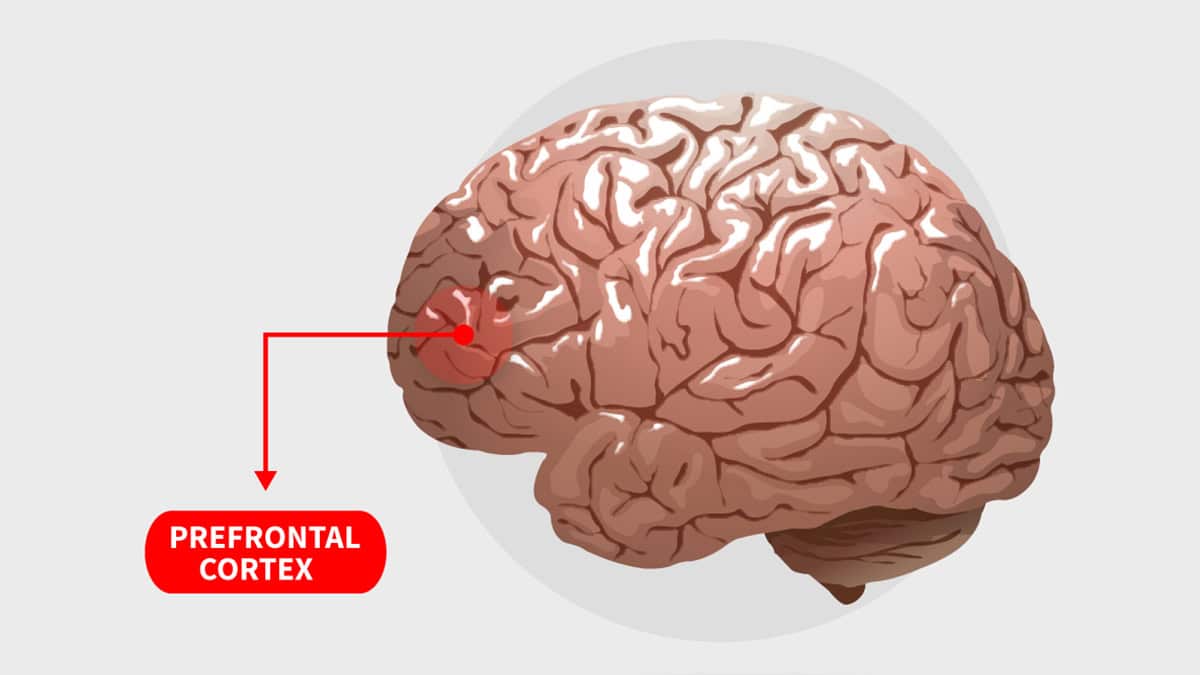
Drinking alcohol, even if not to the point of intoxication, impairs the “prefrontal cortex” (PFC) of the brain. The PFC is the seat of judgment, self-control, decision-making, and other higher-level thinking. For this reason, people under the influence of alcohol may be disinhibited and say or do things that may be out of character for them or even dangerous.
Acute intoxication also unhinges the cerebellum, the part of our brain responsible for our balance and coordination. To make matters worse, alcohol induces the release of high levels of the neurotransmitter GABA, which slows thinking, reaction time, and movement. These are the reasons that impaired driving commonly leads to disaster and tragedy, and intoxicated people have significant falls or other injuries.
Pregnancy Risks
Prenatal exposure to alcohol can result in serious harm to the developing fetus. Alcohol is a neurotoxin (harmful to the brain), and the developing fetal brain is especially vulnerable. Exposure to alcohol during pregnancy is associated with later lower IQ, poor school performance, learning disabilities, and difficulties with emotional regulation. Fetal alcohol syndrome (FAS) is an especially severe outcome of alcohol exposure, resulting in lifelong physical, behavioral, and cognitive (thinking) impairments.
Blackouts
Blackouts are a form of alcohol-induced amnesia. Specifically, they’re a type of “anterograde amnesia,” which means we can remember everything before the onset of intoxication, but nothing afterward.
People don’t have to be alcoholics to experience blackouts. They can occur in anyone who binge drinks (i.e., has more than 2 or 3 drinks at a time), even if they only do so occasionally. Studies have shown that about 40% of college students have experienced blackouts during a binge-drinking episode.
When people experience a blackout, their brain is incapable of forming memories, but they are otherwise able to perform purposeful tasks reasonably well. They can have complete conversations and perform complex actions such as driving a vehicle, but later have no memory whatsoever of the time they were drunk. They don’t forget what they’ve done; they just don’t record any of it in memory. This is why, no matter how hard they try, they can’t remember what they did during a blackout, even when given an account of events.
Even when blackouts don’t occur, being intoxicated affects perspective, attention, and memory formation, so many people have an incomplete or inaccurate memory of their actions.
Relationship Risks
The behavioral and personality shifts that occur during intoxication can create conflict and discord in relationships. The areas of the brain affected include the PFC and the “limbic system,” which generates our emotions. The result is that when intoxicated, many people become impulsive, emotionally erratic, and even aggressive.

If the person is a blackout drinker, they may genuinely have no memories whatsoever of their indiscretions the next day and therefore may be unapologetic or even deny their behavior when confronted. This may be a source of discord between partners.
These unlovely behaviors may be temporary, and the same reasonable, lovable person usually emerges the next day. However, long-term heavy consumption may lead to enduring changes, which can have a disastrous effect on relationships at home and in the workplace.
Withdrawal Risks
Most people know the pain of a “hangover,” even if they haven’t experienced it themselves. It’s a sickness that may cost a person a day out of their life before it passes. The body has been fighting the effects of the alcohol, and the toxic effects of acetaldehyde and other byproducts of alcohol metabolism take their toll. As well, the brain and body chemistry have been significantly disrupted, and the body is struggling to get things back to normal.
While a hangover is bad enough, more severe withdrawal problems can occur in people who drink heavily and regularly. Seizures and delirium tremens (DTs), for example, are severe, life-threatening withdrawal syndromes that require emergency medical attention.
Exposure of Children
When young children are exposed to alcohol, such as when they drink leftover alcoholic beverages left out the morning after a party, it can have severe consequences for their health. Young children respond differently to alcohol because their bodies are still developing and cannot process alcohol well. It may give them dangerously low blood sugar (hypoglycemia), and they may become listless and ill.

The still-developing brain in adolescents is vulnerable to the toxic effects of alcohol. Early exposure to alcohol is linked to mental health problems, such as addiction, anxiety, depression, and self-harm behaviors. When intoxicated, they may experience higher levels of impulsivity and disinhibition than adults, leading to other high-risk behaviors.
How Much Can You Safely Drink?
Despite the WHO’s evidence-based declaration that no level of alcohol consumption is safe, alcohol is a regular fixture in many people’s lives. It serves as a social lubricant, a pleasant addition to a nice dinner out, or part of a relaxation ritual after a long workday. It’s an almost expected part of college life among young people, and a ritual for events such as Super Bowl Sunday or St. Patrick’s Day. Even cultural and religious practices may involve alcohol. So, how much is OK?
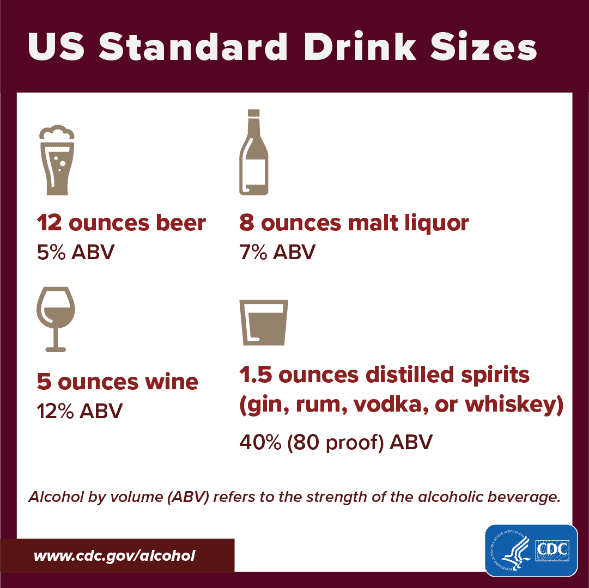
For people who use alcohol, the less the better. Reducing or eliminating alcohol offers health benefits because the risks associated with alcohol use increase with levels of consumption. The accepted definition of “moderation” is that on days they drink, women limit themselves to 1 drink and men to 2. However, even moderate or low-level drinking carries risk, especially for cancer.
One thing’s for sure: no one should start drinking for health reasons. Old beliefs that daily alcohol use reduces the risk of heart attack or diabetes have long ago been refuted. Anyone looking for ways to improve their health may turn to reducing alcohol use as “low-hanging fruit” to easily reduce their risks of the problems discussed in this article.


