
Does Veozah Cause Weight Gain? What to Expect
women’s health
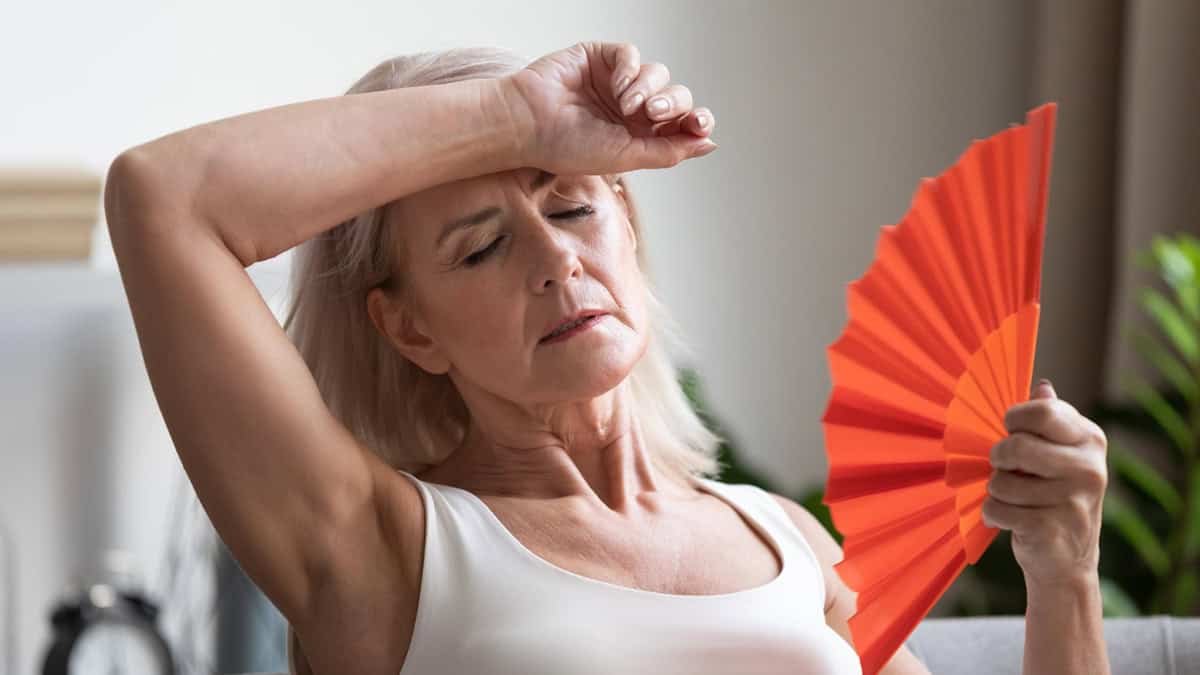
Getting prescribed Veozah (fezolinetant) for your moderate to severe hot flashes can feel like a victory and a relief in itself, even before the relief kicks in.
And that makes sense. Veozah’s a newer medication for some vasomotor menopausal symptoms, like hot flashes and night sweats, that allows people to work toward comfort without relying on hormonal therapy (if avoiding that type of treatment is their goal).
That said, many women who research Veozah quickly stumble on one major concern:
Does Veozah cause weight gain?
For women already navigating the hormonal shifts of perimenopause or menopause, even a small change on the scale can feel like a really big deal.
The good news is that current clinical evidence shows Veozah is not associated with weight gain, and weight changes were not reported as a common side effect in trials.
But this question keeps cropping up because many women do experience weight fluctuations during menopause…and, understandably, want to know whether a new medication could make that harder.
In this guide, we’ll walk through:
- What the research actually says about Veozah and weight
- How menopause itself affects metabolism
- Whether Veozah could indirectly contribute to weight changes
- What women report anecdotally
- How to support healthy weight management while taking Veozah
- Whether Veozah helps with weight loss (another common question!)
Let’s start with what Veozah does (and doesn’t) do inside the body.
What Veozah Is Used For (and Why That Matters for Weight)
Veozah is a non-hormonal medication approved to treat moderate to severe vasomotor symptoms (hot flashes and night sweats) associated with menopause.
Unlike hormone replacement therapy (HRT), Veozah does not contain estrogen or progesterone.
Instead, it works through a brain receptor called the NK3 receptor, helping rebalance temperature regulation affected by fluctuating estrogen levels.
This non-hormonal mechanism matters for two reasons:
Hormonal medications sometimes affect weight, but that’s often because hormonal medications sometimes affect estrogen levels.
Veozah does not alter estrogen levels.
Because Veozah acts on the brain’s thermoregulation pathway (e.g., the way your body manages temperature, not hunger, and not metabolism) there’s no clear-cut physiological reason to expect weight gain.
Clinical trials involving more than 1,000 women found no increased rates of weight gain among Veozah users compared to placebo.
That means any weight changes that occur are likely due to normal menopausal transitions, not to the medication itself.
So… Does Veozah Cause Weight Gain?
Here’s the short answer:
No. Veozah is not known to cause weight gain.
In available studies, women taking Veozah did not gain weight at higher rates than those taking a placebo.
Weight gain was not listed as a common or expected side effect.
That includes:
- No changes in average body weight
- No increased reports of bloating or fluid retention
- No evidence of appetite changes
That said, if a woman begins Veozah during a time when she’s already experiencing menopausal weight redistribution, it may feel like the drug is contributing, even though it isn’t.
Veozah and Weight Loss: Can It Help With Midlife Weight Changes?
While Veozah isn’t a weight-loss drug, some women report modest weight changes after starting treatment.
Typically, this isn’t a direct result of taking Veozah.
It’s more of an indirect result, since a patient may feel more rested or less stressed since they’re not dealing with as many hot flashes or episodes of night sweats – and more rest and less stress tend to support healthy weight changes.
Here’s why that might happen:
- Better sleep = improved hunger hormone regulation. Severe night sweats disrupt sleep, raising cortisol and affecting hunger cues.
- Less fatigue = more natural movement. When people sleep better, they often feel more energized throughout the day.
- Reduced stress eating. Hot flashes and mood swings can lead to emotional eating; relief often reduces that tendency.
These effects vary person to person, and Veozah itself is not causing weight loss, but improved quality of life may indirectly support healthier patterns.
If weight loss is a goal, lifestyle strategies like strength training, adequate protein intake, and managing insulin resistance tend to matter far more than the specific menopause medication you’re taking.
Why Women Often Gain Weight During Menopause (and Why It’s Not Veozah)
Understanding natural menopause physiology helps untangle what’s drug-related vs. what isn’t.
Weight gain during perimenopause and menopause is extremely common because of:
- Lower estrogen levels, which alter fat distribution
- Slower metabolic rate
- Increased insulin resistance
- Loss of muscle mass
- Changes in sleep quality, and
- Stress-related increases in cortisol.
Because Veozah does not contain hormones and doesn’t affect estrogen levels, it should not contribute to these changes.
In fact, by improving hot flashes and sleep (two major disruptors of metabolism), it may help stabilize weight trends rather than worsen them.
How Long Does Veozah Stay in Your System?
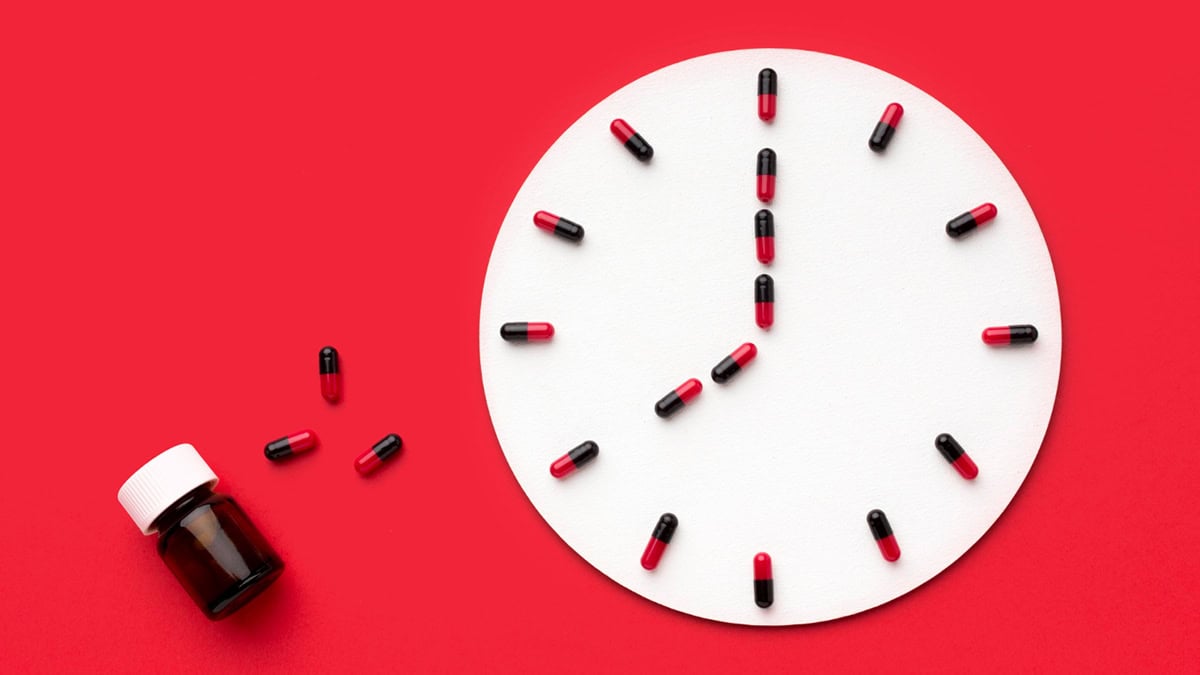
Veozah has a half-life of roughly 9 hours.
(A half-life is a biochemical measure of how long it takes for half of a substance to degrade.)
This relatively small half-life means that your body will clear Veozah pretty quickly, especially when compared to other menopausal and especially hormonal therapies.
Most of the medication should leave your system within 2-3 days, if you decide to stop taking it.
(Note that you should only do that under the supervision of your healthcare team.)
Your symptom changes (like hot flash reduction, sleep improvements, or mood shifts) may continue longer, though, since Veozah works on brain receptors that regulate temperature, not on the hormones themselves.
This shorter duration also means:
- Side effects tend to resolve quickly if they occur.
- If your doctor decides to adjust dosing or stop therapy, changes take effect sooner.
- “Veozah withdrawal” is typically mild or nonexistent, since the drug does not influence hormone production.
How to Manage Weight While Taking Veozah
If you want to prevent weight gain or support weight loss while using Veozah, your best strategy is a combination of movement, nutrition, and sleep hygiene.
Veozah may help regulate your internal thermostat, which can make these habits feel more manageable.
A few healthy-weight-supporting habits that you may want to consider include:
- Consistent, moderate movement, like walking, strength training, yoga, or any activity you’ll stick with.
- Opting for protein-focused meals; no need to strive toward a particular goal if that doesn’t feel helpful for you, but eating more protein can help you maintain lean mass, especially during perimenopause and menopause.
- Eating a balanced mix of carbs and fiber, too, can stabilize energy and help prevent cravings.
- Prioritizing sleep! While this is, of course, easier said than done, getting less sleep suddenly can be one of the biggest hidden drivers of menopausal weight gain.
- Limiting alcohol and ultra-processed foods, both of which can worsen both vasomotor symptoms and weight fluctuations.
If any weight changes you experience, in either direction, that do feel dramatic or sudden, tell your clinician.
They can help you evaluate whether something unrelated (e.g., thyroid changes, new medications, or blood sugar shifts) is at play.
Who Should Not Take Veozah? (And Why That Matters for Weight Concerns)
Even though Veozah is not linked to weight gain, it isn’t appropriate for everyone.
Understanding the contraindications, or the specific reasons why a person shouldn’t take Veozah, may help explain why some specific types of symptoms tend to get misattributed to the medication.
Veozah is not recommended for people who:
- Have severe liver disease
- Have elevated baseline liver enzymes
- Are you taking certain medications that strongly affect liver enzyme pathways
- Have had serious hypersensitivity to fezolinetant
Because the liver plays a significant role in metabolism, blood sugar regulation, and fat processing, some women may attribute metabolic changes to Veozah when, in reality, their underlying liver health or medication interactions are the more meaningful contributors.
Even if you don’t fit into any of the above categories, your doctor will still probably want to take precautions to make sure that you’re having a good experience with the medication.
This will probably involve ordering bloodwork first before starting treatment and again within the first few months to ensure your liver is processing it safely.
Veozah Side Effects: What to Expect (That Has Nothing to Do With Weight)
Although weight gain is not a known side effect, Veozah does have some possible reactions that may influence how you feel day to day.
The most reported side effects include:
- Mild to moderate headache
- Abdominal discomfort
- Fatigue
- Insomnia or sleep changes (less common, but noted in real-world reports)
- Hot flash breakthrough early on (rare, often resolves)
- Liver enzyme elevations, usually detected only on labs
None of these are strongly tied to weight changes.
That said, if you’re experiencing fatigue, disrupted sleep, or stress, that can lead to appetite shifts or decreased movement that, ultimately, might all lump together to feel like weight-related issues.
Addressing the root cause (rest, hydration, sleep supports, etc.) usually resolves it.
Best Time to Take Veozah (and Why Timing Sometimes Changes How You Feel)
Most clinicians recommend taking Veozah once daily, at the same time.
This helps with a couple of things:
It helps you (the patient) incorporate normal dosing into your muscle-memory routine, which can assist with drug adherence.
And, in addition, taking Veozah at about the same time each day helps keep your blood concentration of the medication relatively similar, day in and day out.
This helps alleviate the side effects of Veozah, which are generally associated with blood concentration fluctuations.
A few further ways clinicians tend to recommend taking Veozah include taking it:
- With or without food (it doesn’t significantly affect absorption)
- Earlier in the day if you experience insomnia
- In the evening if headaches are your main concern
While Veozah is not associated with weight gain, taking it at inconsistent times may worsen breakthrough symptoms, which can indirectly affect mood, sleep, stress eating, or movement habits.
Just remember: Consistency is your friend, here.
How Long Does It Take Veozah to Work (and Why Weight Concerns Sometimes Pop Up During This Window)
Veozah typically begins reducing hot flashes in as little as one week, with most women noticing meaningful relief by week four.
However, this adjustment window may coincide with:
- Shifts in daily routines
- Sleep pattern changes
- Ongoing menopausal fluctuations
- Stress from symptom unpredictability
This overlap explains why some women feel like their weight is fluctuating shortly after starting Veozah.
Can You Stop Veozah Suddenly? (And What to Expect If You Do)
Many women worry that stopping the medication will trigger rebound symptoms…including weight changes.
Fortunately, there’s no evidence of withdrawal effects in the traditional sense.
When stopping Veozah, here’s what you might experience:
- Hot flashes gradually returning over a few days
- Night sweats or sleep disruption resurfacing
- Mood changes tied to worsening vasomotor symptoms
Notably missing:
- No documented rebound weight gain
- No metabolic “slowdown”
- No appetite surges or fluid retention
Because Veozah doesn’t influence hormones, stopping it simply removes the temperature-regulating support.
It doesn’t affect metabolism or fat storage.
How Veozah Compares to Hormonal Therapy in Terms of Weight
Is Veozah “better for weight” – whatever that may mean to you and your healthcare team – than hormone replacement therapy (HRT)?
While every patient is different, here’s a clear-cut comparison in terms of the symptoms and side effects you can reasonably expect.
HRT may cause:
- Fluid retention
- Breast tenderness
- Occasional appetite or mood changes
- Changes in fat distribution
Veozah does not:
- Alter estrogen
- Affect progesterone
- Change appetite hormones
- Redistribute fat
When Weight Gain Is a Reason to Talk to Your Provider
Even though Veozah isn’t the culprit, your clinician does want to know if you are experiencing:
- Rapid weight gain over weeks
- Sudden abdominal bloating
- Noticeable swelling in the legs or hands
- Dramatic fatigue alongside weight changes
These symptoms aren’t related to Veozah, but they may relate to:
- Thyroid shifts (common in midlife)
- Blood sugar changes
- New medications
- Sleep apnea
- Mood changes or depression
- Heart or liver function issues
Veozah’s role is to help stabilize your body’s thermostat so you can feel functional, rested, and more in control.
And our role is to help you feel confident that you have reliable, affordable access to the prescription medications you need to thrive.
If you have any questions at all about your treatment, reach out to our on-staff pharmacists for more information.
The team here at NorthWestPharmacy.com looks forward to supporting you and your healthcare journey!


